The Empowered Budgeting Toolkit for Monthly Money Plans

Build a More Intentional Money Routine with The Empowered Budgeting Toolkit
A money routine does not have to be complicated to be useful. Setting aside time to understand your monthly expenses, consider your savings priorities, and reflect on your habits can help you make more intentional decisions. The key is to create a process you can return to, even when your circumstances change.
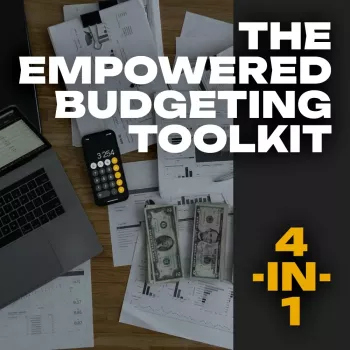
Our 4-in-1 Empowered Budgeting Toolkit brings budgeting, savings strategies, wealth strategies, and guided affirmations into one routine. It offers a practical starting point for organizing your finances while making space for a more supportive approach to money.
What the Toolkit Brings Together
The toolkit includes a budget planner and an Excel guide to help you begin organizing your financial information. Rather than keeping every number in your head, you can bring your income, bills, and spending priorities into a plan you review regularly.
The bundle also focuses on monthly expenses, savings, wealth strategies, and guided affirmations. These elements can work together: your budget gives you numbers to consider, while your goals and mindset help you decide what matters most. No tool can promise a particular financial outcome, but a consistent routine can make it easier to see your options.
The Empowered Budgeting Toolkit is in stock for $111.99.
Turn Monthly Numbers into a Plan
Before setting a budget, gather a few basic figures: your expected take-home income, regular bills, and recent spending. Bank statements, pay information, and receipts can help you build a more realistic picture. If your income varies, consider planning around a conservative estimate and revisiting it as the month unfolds.
Next, compare the money coming in with the expenses you expect to pay. Separate recurring bills from flexible categories such as groceries, transportation, and entertainment. Remember expenses that do not arrive every month, too; setting aside a manageable amount for them can make those costs easier to anticipate.
If your expenses exceed your income, review categories for changes you can make and prioritize essential bills. If there is room after expenses, choose an affordable amount for savings. Your first plan does not have to be perfect—it simply needs to give you a useful starting point.
A Simple Monthly Budgeting Routine
The following is an illustrative routine you can adapt to your situation:
| Step | Action | Purpose |
|---|---|---|
| List income | Record expected take-home income | Establish an amount to plan around |
| Review expenses | List recurring bills and flexible spending | See where money is going |
| Set a savings goal | Choose an affordable amount | Make progress toward a priority |
| Check in | Compare planned and actual spending | Adjust the next month’s plan |
When you compare your plan with what actually happened, look for patterns rather than reasons to judge yourself. A category that consistently runs high may need a larger allocation, while another may have room to shrink. The Consumer.gov guide to making a budget provides another helpful overview of this process.
Pair Practical Strategies with a Supportive Mindset
Money decisions can bring up frustration or uncertainty. Guided affirmations can complement a financial check-in by helping you approach it with patience and focus. For example, you might remind yourself that you can review your choices and make adjustments over time.
Affirmations are not a substitute for reviewing bills, making a budget, or weighing financial decisions. Pair them with a specific action, such as checking your spending once a week or setting aside an affordable amount when you are able. If your situation calls for professional advice, consider seeking guidance suited to your needs.
Choose one realistic savings priority to start. You might work toward a cushion for unexpected costs or plan for an upcoming expense. Revisit the goal each month: Is the amount still affordable? Has the timeline or priority changed? A smaller contribution can be a practical choice when other needs take precedence.
For additional ideas about organizing your finances, explore our Personal Finance Made Easy Ebook, which covers budgeting, saving, investing, and debt management.
Make the Routine Work for You
Set aside a short, recurring appointment with yourself to update your figures and review your goal. A weekly check-in can help you notice changes during the month; a monthly review can help you plan for what comes next. Choose a schedule you can maintain rather than one that feels overwhelming.
Start with a manageable plan and adapt it as your income, expenses, or priorities change. If you miss a check-in, return when you can and use the information you have. The Consumer Financial Protection Bureau’s budgeting resources offer additional tools for thinking through spending and saving.
When you are ready, explore our toolkit alongside resources such as Build Wealth with Passive Income Ideas. Consider any income idea in light of its costs, risks, and the time it may require; results are not guaranteed. Our team is here to offer resources as you build a routine that fits your priorities.
FAQ
Who might benefit from The Empowered Budgeting Toolkit?
The toolkit may suit you if you want to organize monthly spending, consider savings strategies, and incorporate affirmations into your money routine.
Does the bundle include guidance for using Excel?
Yes. The bundle includes an Excel guide alongside its budget planner.
Can affirmations guarantee financial success?
No. Affirmations may support a positive mindset, but financial outcomes depend on your circumstances and decisions.











Leave a comment